
Confidence in the kitchen rarely begins with a flawless recipe. Baking confidence for beginners grows through ordinary moments of practice and curiosity. It appears when you read a recipe without feeling overwhelmed. It strengthens when you notice that dough, batter, or frosting looks familiar. Every small observation gives you something useful for the next attempt. The most helpful early goal is comfort with the process itself. Focus on measuring, timing, mixing, and learning how your oven behaves. Let results be information rather than a verdict on your ability. Over time, familiar actions begin to feel natural. That is how home baking shifts from intimidating to genuinely enjoyable.
Everyday practice teaches more than occasional ambitious projects. Bake a simple recipe often enough to notice its patterns. Pay attention to texture before baking and color once it comes out. A reliable recipe practice creates useful reference points for future recipes. You learn what a properly mixed batter looks like in your own bowls. You discover whether your oven runs fast or needs extra minutes. These details become quiet forms of experience. They also make it easier to troubleshoot without panic. Keep early projects small enough that repeating them feels easy. Confidence builds from familiarity, not from pressure to impress.
Perfect-looking food is not the best measure of baking ability. A slightly uneven loaf can still taste wonderful. A cookie with rustic edges can still be worth sharing. Focus first on safety, flavor, texture, and the skills you practiced. Let decoration become a later layer of learning. A time-saving kitchen habits routine can help you stay calm while learning. Read the recipe before beginning and gather ingredients first. Set a timer rather than relying on memory. Clean a few tools during baking so the finish feels less overwhelming. Perfection asks for control, while confidence welcomes progress. The more forgiving your expectations, the more likely you are to keep trying.
Many baking skills are already part of ordinary cooking. You probably know how to follow steps, taste ingredients, and pay attention to heat. You may already understand when something needs patience or gentle handling. These instincts transfer naturally into baking. Start by naming what you already do well. Then choose recipes that let those strengths support new learning. A careful cook often becomes a thoughtful baker quickly. Good preparation, clean measurements, and steady timing matter in both. Recognizing your existing skills makes the next recipe feel less foreign. It also changes the story you tell yourself about being a beginner. You are not starting from nothing; you are building from what you know.
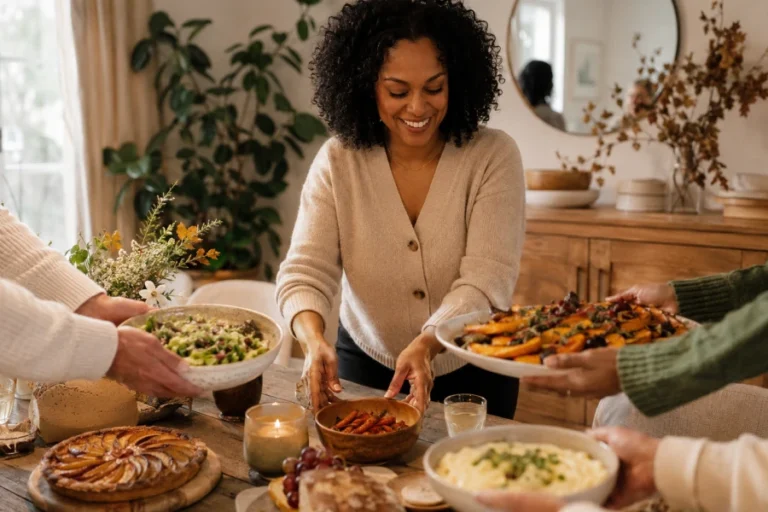
Timing gives baking much of its structure and predictability. Read the recipe once before turning on the oven. Notice when ingredients need to soften, chill, rest, or cool. Set out the tools you will need before the first step. A simple hosting flow can use the same habits when you bake for other people. Start earlier than you think you need to. Build in time for cooling, cleanup, and small adjustments. This preparation makes the process feel less rushed. You are more likely to notice helpful details when you are not racing the clock. Good timing helps you feel in charge without making baking rigid. That feeling of readiness is one of confidence’s strongest foundations.
Every baker eventually makes something too dry, too dark, or not quite set. Those outcomes do not erase the skills you practiced. Instead, they offer clues about heat, ingredients, and timing. Write down one small lesson rather than deciding the recipe was a failure. You may need less oven time, a different pan, or a little more mixing. Try again when the lesson feels fresh. Avoid changing five variables at once. One clear adjustment teaches you much more. Mistakes become less dramatic when they are part of a pattern of learning. A forgiving approach keeps curiosity alive. That curiosity is what turns a beginner into a confident home baker.
Once a basic recipe feels comfortable, choose one project that stretches you gently. Try a new spice, a filled cookie, a yeast dough, or a simple layer cake. Keep the challenge specific and manageable. Do not confuse growth with choosing the hardest possible recipe. A small step gives you room to observe and enjoy the process. Share the result with someone who appreciates homemade food. Their response may remind you how much progress you have already made. Then return to a familiar favorite whenever you need reassurance. Confidence grows through a rhythm of challenge and comfort. That steady rhythm keeps baking exciting for the long term.



Leave a comment