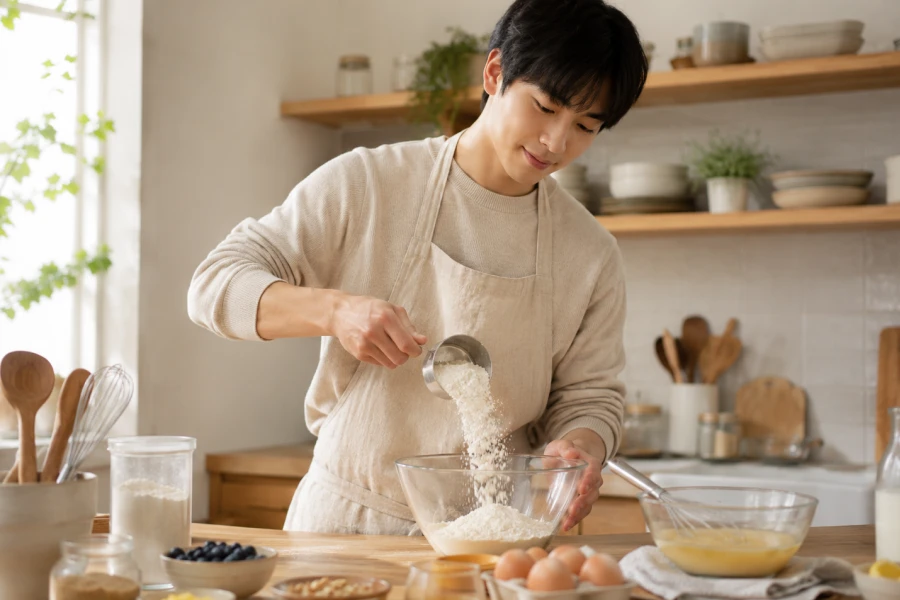
Learning to bake becomes more enjoyable when progress has a gentle rhythm. A beginner baking routine gives early attempts a structure without making them feel rigid. It helps you practice a few useful skills before moving to more complicated projects. Instead of chasing flawless results, you learn what good timing and texture look like. Each bake becomes a small lesson you can use again. Begin with recipes that reward care rather than technical perfection. Simple cookies, muffins, quick breads, and easy bars are excellent starting points. They build confidence with measuring, mixing, temperature, and patience. Over time, small improvements become visible in both flavor and consistency. Baking feels less mysterious once the kitchen becomes a familiar place to learn.
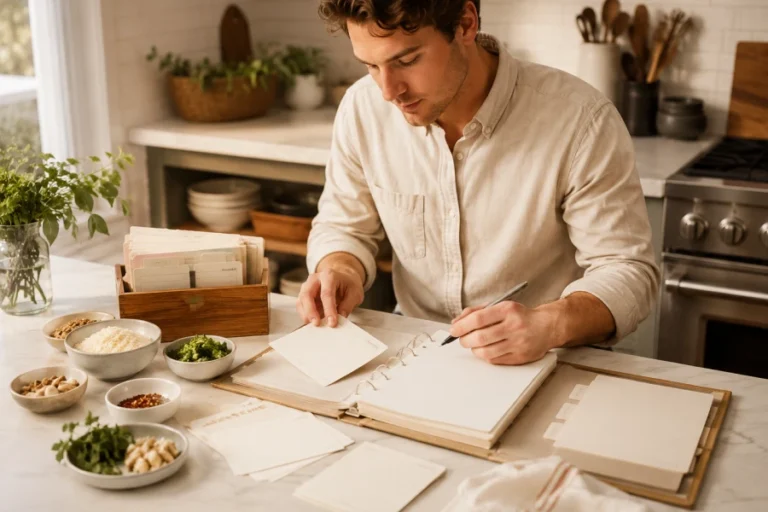
Start with recipes that use common tools and easy-to-find ingredients. Familiar projects make it easier to focus on technique instead of troubleshooting. Measure carefully, then notice how the batter or dough changes as you work. A few easy comfort food meals can help connect baking with everyday cooking. Choose one recipe each week rather than attempting several new ideas at once. Repeat a favorite after the first try. That second attempt teaches you more than constantly chasing novelty. Keep notes about oven time, texture, and any changes you made. The goal is to build a dependable sense of what works. Small wins create motivation that lasts much longer than a difficult project.
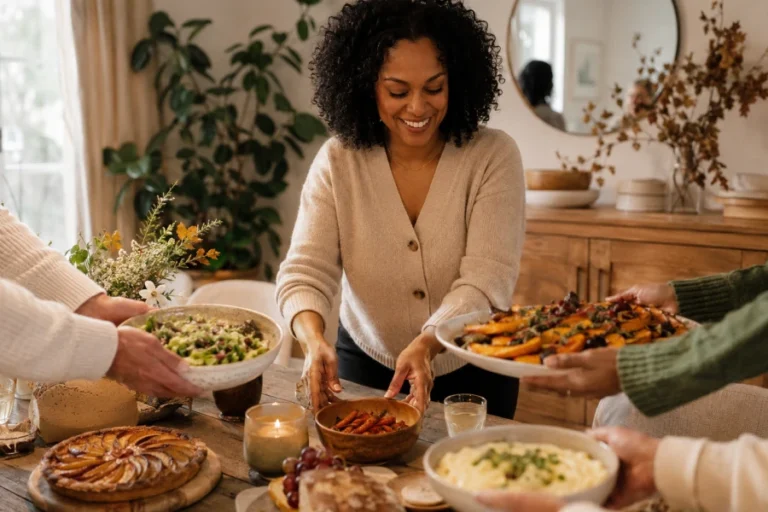
Repetition turns basic actions into instincts you can trust. You learn how butter should look when softened and how flour changes a batter. You begin to recognize when a mixture needs another stir or should be left alone. Those observations matter more than memorizing complicated baking language. A hosting prep rhythm can also teach you how to plan baking around real schedules. Practice preparing ingredients before you start mixing. Set timers, read the full recipe, and clear a little workspace. These simple habits lower the chance of rushed mistakes. Over time, the process becomes calmer and more enjoyable. Confidence grows when your hands know what to do next.
You do not need a large collection of specialty tools to begin baking. A few bowls, measuring tools, a whisk, a spatula, and basic pans go far. Learn how your existing oven runs before blaming a recipe. Use an oven thermometer if temperatures seem inconsistent. Choose tools that make preparation easier and cleanup reasonable. Keep them in a place you can reach without searching. A simple setup makes baking feel possible on an ordinary evening. Avoid buying equipment because one recipe makes it look essential. Practice helps more than an overloaded kitchen drawer. The right tools are the ones that support regular use. Start with what you have and add only what you truly need.
Not every week will offer a quiet afternoon for baking projects. Build your practice around the time you actually have available. Choose short recipes during busy stretches and longer ones when you can slow down. A flexible dinner formula keeps the kitchen useful even when plans shift. Mix dry ingredients ahead when that makes a recipe easier later. Bake something simple while another meal cooks nearby. Freeze extra portions for mornings that need a quick comfort food option. Let baking support your week instead of competing with it. This flexibility prevents the routine from feeling like another obligation. A sustainable habit fits around life rather than demanding a perfect schedule.
Friendly recipes offer clear steps and forgiving results. Look for batters, doughs, and fillings that do not depend on delicate timing. Start with flavors you already love, because you will be more excited to repeat them. A warm banana bread or simple oatmeal cookie can teach many useful basics. Keep ingredients modest and techniques straightforward. Once you feel comfortable, try one small variation at a time. Add nuts, change spices, or swap fruit without changing every element. This approach helps you understand how recipes respond to adjustments. Each variation gives you a clearer sense of your own taste. Familiar recipes become a safe place to become more creative.
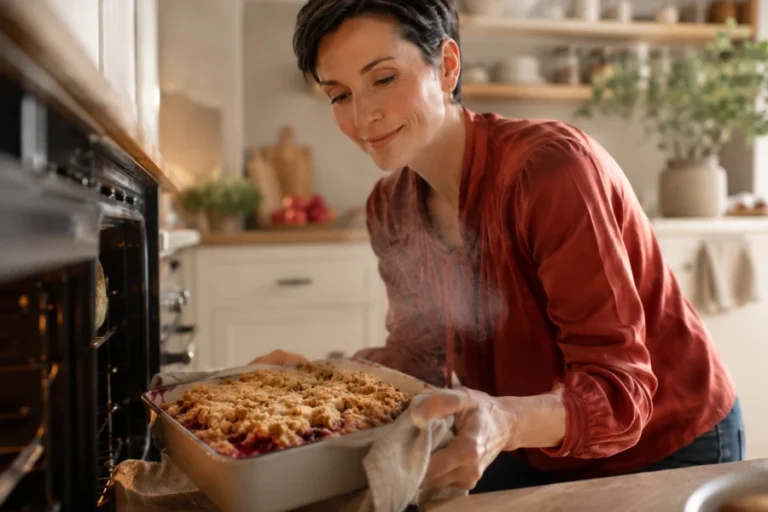
Baking confidence does not usually appear in one dramatic moment. It grows quietly after you notice that a recipe worked again. It grows when you recognize a texture before the timer ends. It grows when you serve something homemade without apologizing for it. Keep early results in perspective, especially when a batch is imperfect. Too-dark edges or uneven shapes are information, not failure. Learn one thing, make a small adjustment, and try again later. Every baker develops preferences through repetition and curiosity. The kitchen becomes more comfortable when mistakes feel ordinary. With practice, first tries become favorite recipes worth sharing.

Leave a comment