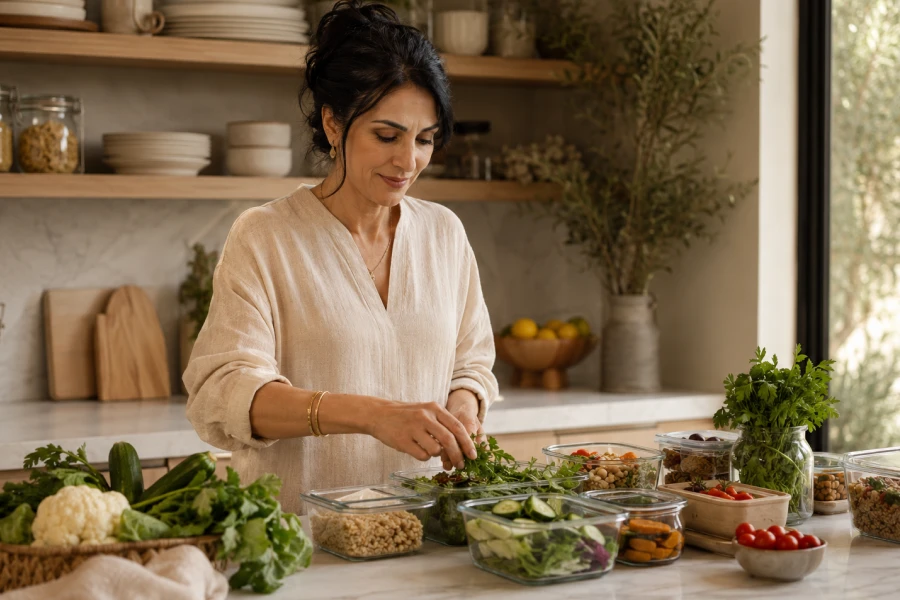
Food becomes easier to use when every ingredient has a visible place and purpose. Ingredient management for home cooks creates that clarity without turning the kitchen into a warehouse. It helps you notice what you already own before buying more. It also helps meals come together around ingredients that need attention. This simple awareness can reduce wasted food and rushed decisions. You do not need elaborate containers or a perfectly labeled pantry. You need a repeatable way to see what is available. Start with the ingredients you use most often during a normal week. Then build a rhythm for checking, storing, and using them. A calmer dinner often begins with a clearer view of the kitchen.
Good grocery decisions start with a quick look at what is already home. Check the refrigerator, freezer, pantry, and fruit bowl before making a list. Notice ingredients nearing their best window for use. Let those foods influence the next few meals. A kitchen reset routine makes this review feel less like a chore. Keep a simple note of staples that need replacing. Avoid buying produce without a plan for where it fits. Small checks prevent duplicates and make your grocery money work harder. You also gain a clearer picture of which meals are already possible. That awareness turns shopping into a targeted task instead of a scavenger hunt.
Waste often happens because good ingredients disappear behind newer purchases. Give older items a visible place at the front of shelves and drawers. Store leftovers in containers that make their contents easy to identify. Use a simple first-in, first-out habit whenever possible. An family meal planning approach can include one meal built around foods that need using. Soups, stir-fries, grain bowls, and frittatas handle flexible ingredients especially well. Freeze extra portions before they become an afterthought. Keep a small list of meals that welcome odds and ends. This habit prevents ingredients from turning into silent clutter. Less waste usually follows when food stays visible and assigned.
Ingredients feel more useful when they connect to more than one meal. Buy vegetables that can appear in a side dish and a main. Choose proteins that work for dinner, lunches, and a quick leftover meal. Keep sauces and spices that can change the mood of basic staples. A can of beans becomes more valuable when you know several ways to use it. The same is true for rice, pasta, eggs, and broth. Build a short list of versatile ingredients that suit your preferences. Then return to that list when the week feels busy. Purpose makes a kitchen feel more generous without requiring excessive stock. It also makes improvising much less intimidating.
When ingredients are easy to see, choosing dinner becomes faster and more satisfying. You can compare options before hunger makes every decision harder. Keep frequently used foods within easy reach. Place snacks, condiments, and baking items in zones that make sense for how you cook. A recipe rotation can reveal which staples deserve a permanent spot. Move rarely used products away from the most convenient shelves. This change makes everyday cooking feel more intuitive. It also reduces the time spent searching through crowded cabinets. Your kitchen should make the next useful choice obvious. Visibility supports better decisions without demanding more discipline.
Even a well-organized kitchen needs flexibility. Plans change when guests arrive, schedules shift, or an ingredient runs out. Keep one or two backup meals that use long-lasting basics. Let leftovers move into lunches, soups, or freezer portions without guilt. Use fresh ingredients first when their quality matters most. Save sturdy items for later in the week. A flexible kitchen is more useful than a perfectly controlled one. Review what needs using whenever you plan the next few meals. That one habit can prevent a lot of unnecessary pressure. The goal is not to control every item. It is to create enough order that change feels manageable.
Set aside ten minutes once or twice a week for a quick reset. Clear the counter, check leftovers, and move older items forward. Write down one or two ingredients that need a meal soon. Refill simple staples when you notice they are running low. That brief practice keeps small problems from becoming a crowded-kitchen crisis. You do not need to clean every shelf or reorganize every drawer. Consistency matters more than a dramatic overhaul. A reset also gives you a moment to appreciate what the kitchen can already provide. The next dinner feels easier when you know where to begin. Small organization habits create a calm that carries through the whole week.




Leave a comment