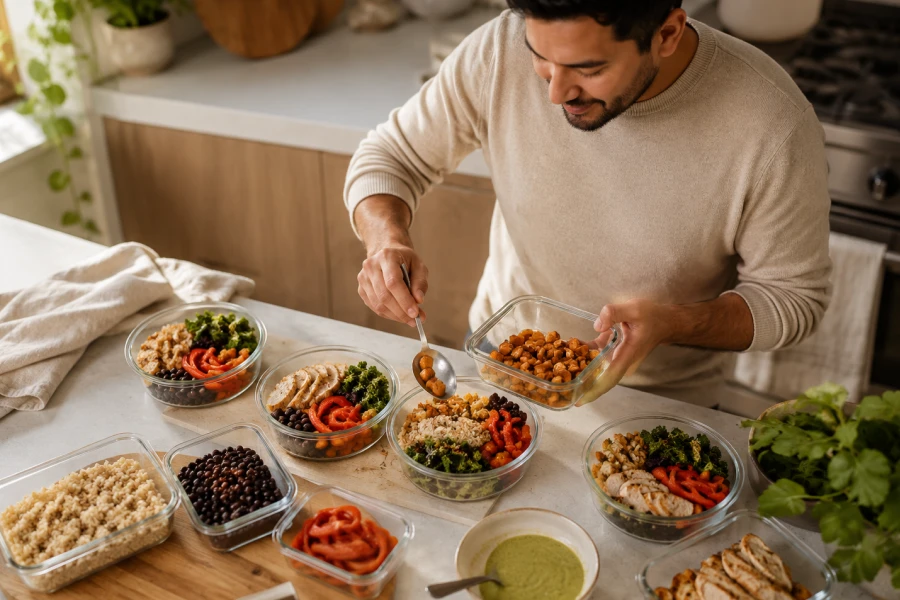
Hosting feels easier when the kitchen is prepared without being overplanned. Flexible meal prep for beginners creates a practical middle ground. It gives you useful building blocks while leaving room for changing schedules and appetites. Instead of cooking a week of identical meals, you prepare ingredients that can take different forms. Roasted vegetables, cooked grains, sauces, proteins, and chopped produce can work in many directions. This approach reduces last-minute stress without making food feel repetitive. It also supports casual hosting because you already have a few useful elements ready. Begin with the meals and ingredients your household already enjoys. Then add only enough structure to make those options easier to reach. A forgiving plan is often the one people can actually sustain.
Start by choosing a few meals that share ingredients and cooking methods. You might plan bowls, pasta, soups, tacos, or easy baked dinners. Keep the plan broad enough to shift when your week changes. A leftovers strategy can help turn unfinished food into a useful next meal. Write down only the meals that matter most. Leave one or two open nights for takeout, leftovers, or unexpected plans. This creates room for real life instead of pretending every evening will look the same. A loose plan also makes grocery shopping more focused. You know what ingredients have several possible uses. Flexibility begins when the plan gives you choices rather than strict assignments.
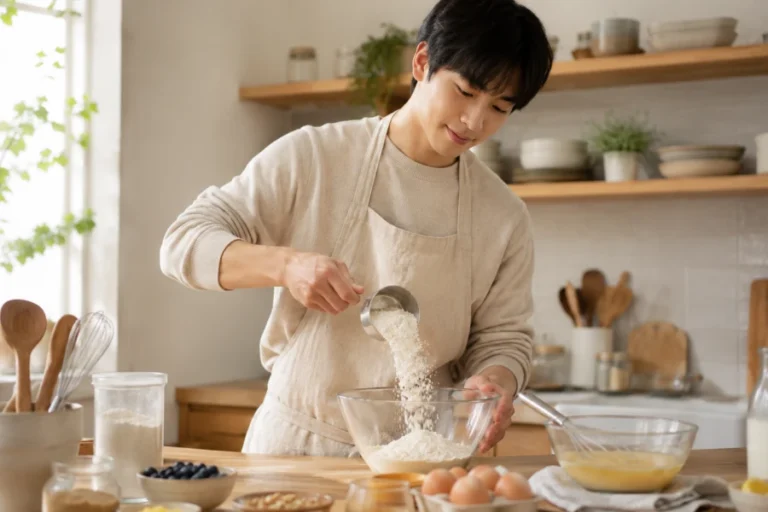
Prep the parts of meals that create the most friction later. Wash and chop vegetables, cook a grain, mix a sauce, or portion a protein. Stop before you turn everything into finished dishes. That way, the ingredients can still move in different directions. A beginner-friendly baking habit can fit here by preparing easy snacks or breakfast items ahead. Keep each task short enough to finish without resentment. Use one block of time, not an entire day. This approach protects weeknight energy without asking you to live by containers. Prepared components make dinner faster, but they also make hosting more spontaneous. You can build a meal without beginning from an empty kitchen.
Perfect weekly plans can create pressure that nobody needs. Instead, prepare flexible ingredients that work across several recipes. Roast vegetables that can become bowls, omelets, pasta, or a side dish. Cook extra chicken or beans for salads, sandwiches, soups, or tacos. Keep a sauce that can change the flavor of simple staples. Store components in containers you can see easily. Label dates if that helps you use food in time. Think of each item as an invitation rather than an assignment. This mindset makes leftovers more useful and meals more adaptable. You are not preparing one fixed menu. You are creating a small pantry of possibilities for the week.
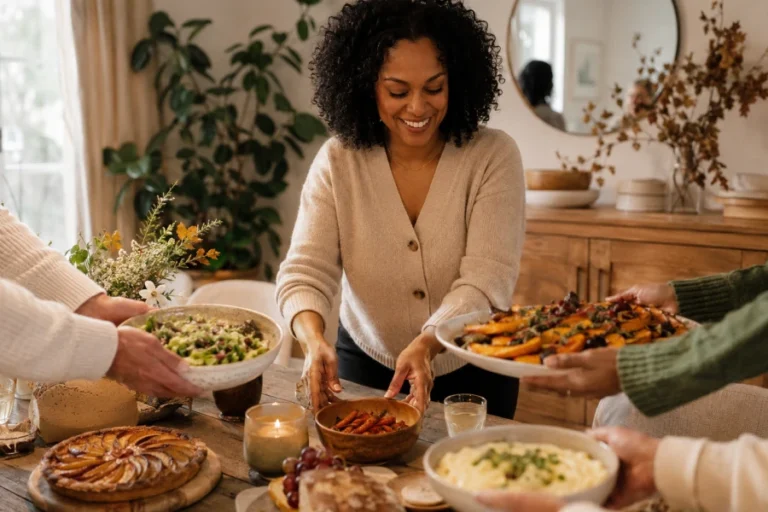
Casual guests feel easier to welcome when useful food is already nearby. A cooked grain, fresh salad base, and simple dip can become the start of a shared meal. Add warm bread, fruit, or a quick baked dessert if time allows. A cozy weekly meal system helps these pieces feel intentional instead of improvised. You do not need a formal menu to offer hospitality. Put a few components on the table and let people build plates comfortably. Keep drinks and serving tools easy to reach. A flexible setup welcomes different appetites without extra effort. That ease helps you say yes to gathering more often. The best hosting plans leave room for conversation.
Even the smartest plan needs to adjust when life gets busy. Move ingredients into the freezer when you know they will not be used soon. Turn extra vegetables into soup before they lose their appeal. Save grains and proteins for lunches when dinner plans change. Keep one shelf-stable meal available for nights when energy disappears. Use the plan as a support, not a standard you must meet. Review what you have before choosing the next meal. That short pause keeps food moving and prevents waste. Change feels much easier when the kitchen already holds options. Flexibility is not a sign of poor planning. It is the reason the plan keeps working.
Good meal preparation should make the week feel more open, not more controlled. Use it to protect time for rest, conversation, and small invitations. Keep the system simple enough that you can restart after a hectic week. Let convenience and comfort share the same table. A prepared kitchen does not need to look perfect to be useful. It only needs a few reliable ingredients and a clear sense of what they can become. When friends stop by, you can offer something without a scramble. When the day runs long, you can still make dinner feel settled. That is the quiet success of a flexible routine. It leaves enough energy for the people you wanted to feed in the first place.


Leave a comment